Why Your Heel Pain Keeps Coming Back — And What Most People Get Wrong About Plantar Fasciitis
Heel pain can be frustrating, exhausting, and surprisingly difficult to get rid of.
Many people assume their heel pain will simply “go away with rest,” yet weeks or even months later they are still limping out of bed every morning wondering why the pain keeps returning.
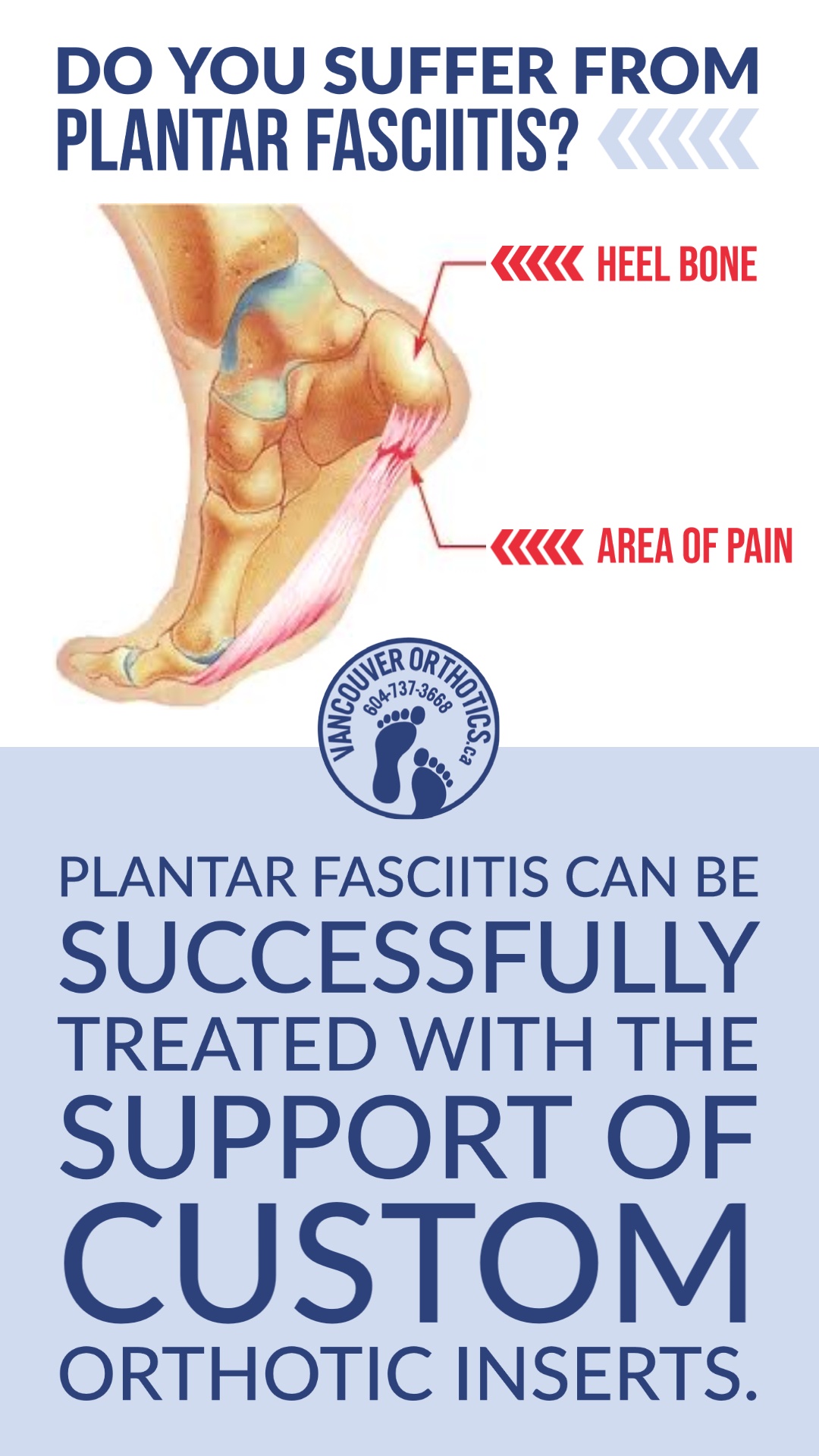
At Vancouver Orthotic Clinics, one of the most common conditions we diagnose is plantar fasciitis — a repetitive strain injury affecting the bottom of the foot and heel.
The good news? Most cases can improve significantly when the underlying cause is properly identified.
What Is Plantar Fasciitis?
Plantar fasciitis occurs when the thick band of tissue along the bottom of the foot — called the plantar fascia — becomes irritated and inflamed.
This tissue helps support the arch of your foot and absorbs shock while walking and standing. When excessive strain is placed on it over time, tiny tears and inflammation can develop.
Typical symptoms include:
- Sharp heel pain with the first few steps in the morning
- Pain after sitting for long periods
- Arch tightness or burning
- Increased discomfort after standing or walking
- Heel tenderness after exercise
Many patients describe the sensation as feeling like they are “stepping on a nail” when getting out of bed.
Why Heel Pain Often Keeps Coming Back
One of the biggest misconceptions about plantar fasciitis is that the pain itself is the problem.
In reality, the pain is often a symptom of an underlying biomechanical issue.
Common contributors include:
- Flat feet or over-pronation
- Poor footwear
- Tight calf muscles
- Long hours standing on hard surfaces
- Weight gain
- Sudden increases in walking or exercise
- Loss of arch support in worn shoes
Flat feet and over-pronation are particularly common contributors because the arch collapses excessively during walking, placing repetitive stress on the plantar fascia.
That is why simply icing the foot or resting temporarily may not fully solve the issue.
The Footwear Problem Most People Ignore
Many people are unknowingly wearing shoes that provide little stability or shock absorption.
Supportive footwear is one of the first things we evaluate during a biomechanical assessment because worn-out shoes can dramatically increase stress on the heel and arch.
Supportive shoes typically include:
- Firm heel counters
- Proper arch support
- Shock absorption
- Stable midsoles
- Removable insoles for orthotics
Minimalist shoes, unsupportive sandals, and old runners often aggravate plantar fasciitis symptoms.
Can Custom Orthotics Help?
For many patients, yes.
Custom orthotics are designed to improve foot alignment, reduce abnormal strain, and improve shock absorption during walking and standing.
At Vancouver Orthotic Clinics, treatment plans are tailored individually because not every case of heel pain is identical.
Orthotics may help:
- Reduce stress on the plantar fascia
- Improve arch support
- Reduce over-pronation
- Improve standing comfort
- Reduce strain on knees, hips, and lower back
However, orthotics usually work best when combined with:
- Stretching
- Footwear changes
- Strengthening exercises
- Activity modification
- Weight management when appropriate
Stretching Matters More Than Most People Realize
Tight calves and Achilles tendons frequently contribute to heel pain.
Simple daily stretching routines targeting:
- Calves
- Achilles tendon
- Plantar fascia
- Hamstrings
can significantly improve mobility and reduce strain on the heel.
Many patients notice their symptoms are worst first thing in the morning because the plantar fascia tightens overnight.
Why Early Treatment Matters
Ignoring heel pain can sometimes lead to chronic compensation patterns that affect:
- Knees
- Hips
- Lower back
- Walking posture
- Balance and activity levels
The longer abnormal movement patterns continue, the more difficult recovery can become.
That’s why early diagnosis and proper biomechanical evaluation are important.
What to Expect at Vancouver Orthotic Clinics
At Vancouver Orthotic Clinics, patients receive:
- Foot and gait assessment
- Postural evaluation
- Footwear recommendations
- Diagnosis of biomechanical contributors
- Custom orthotic recommendations if appropriate
The clinic commonly treats:
- Plantar fasciitis
- Heel pain
- Flat feet
- Achilles tendonitis
- Shin splints
- Knee pain related to foot mechanics
Final Thoughts
Heel pain is common, but it should not become “normal.”
If your plantar fasciitis keeps returning, there is usually an underlying reason why the foot continues to experience excessive strain.
Addressing foot mechanics, footwear, posture, and support together often leads to better long-term outcomes than relying on temporary symptom relief alone.
If you are struggling with recurring heel pain, arch pain, or flat feet, a professional biomechanical assessment may help identify the root cause and the best path forward.